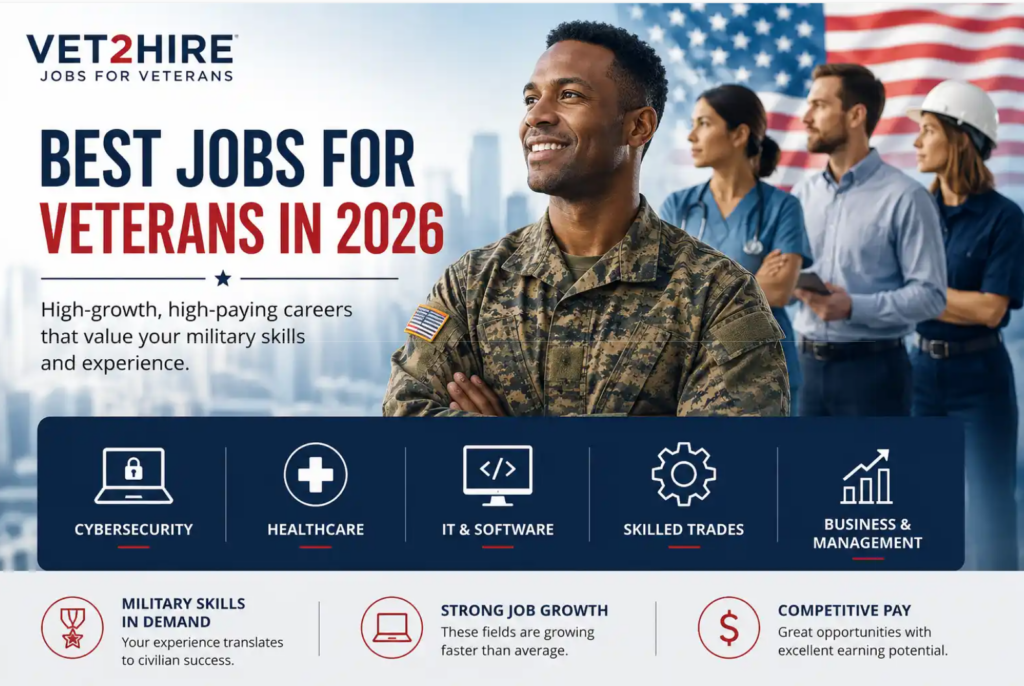
As you prepare to transition from military service to civilian life, understanding which career fields actively value your skills can make all the difference. In 2026, veterans continue to be highly sought after in fields like logistics, IT, cybersecurity, project management, operations, aviation, security, HR, and federal contracting. These industries recognize that military experience provides a foundation of leadership, problem-solving, and mission-focused execution that civilian employers struggle to find elsewhere.
The job market for veterans remains strong, with employers increasingly understanding how to translate military occupational specialties into civilian roles. This guide breaks down the best career paths available to you, what makes them ideal for veterans, and how to position yourself for success in each field.
Logistics and Supply Chain Management
If you worked in military logistics, supply, or transportation, you already possess skills that civilian companies desperately need. Supply chain disruptions over recent years have made logistics professionals more valuable than ever. Veterans who managed convoys, coordinated equipment movement, or oversaw inventory systems can transition directly into roles such as logistics coordinator, supply chain analyst, or distribution center manager.
Major employers like Amazon, FedEx, UPS, and defense contractors actively recruit veterans for these positions. Your experience with accountability, tracking systems, and working under pressure translates perfectly. Entry-level positions typically start between $50,000 and $65,000 annually, with significant room for advancement into six-figure management roles.
Information Technology and Cybersecurity Careers
The cybersecurity field faces a massive talent shortage, with hundreds of thousands of positions unfilled nationwide. Veterans with IT experience—whether you worked in communications, signals intelligence, or network operations—have a clear advantage. Security clearances, which many veterans already hold, make you even more valuable to government contractors and private sector employers handling sensitive data.
Roles in this sector include cybersecurity analyst, network administrator, systems engineer, and IT project manager. Certifications like CompTIA Security+, Certified Information Systems Security Professional (CISSP), and Certified Ethical Hacker (CEH) can boost your credentials. Many employers offer certification training as part of onboarding. Starting salaries typically range from $65,000 to $90,000, with experienced professionals earning well over $100,000.
Project Management and Operations Leadership
Military service inherently develops project management skills. Whether you led a squad, managed a maintenance program, or coordinated training exercises, you’ve executed projects with defined objectives, resources, and timelines. These competencies transfer directly to civilian project management and operations roles across virtually every industry.
Consider pursuing Project Management Professional (PMP) certification, which many veterans find accessible given their practical experience. Operations managers, program coordinators, and project managers are needed in healthcare, construction, technology, manufacturing, and professional services. Compensation varies by industry but typically ranges from $60,000 to $95,000 for mid-level positions.
As you prepare for interviews in these fields, knowing what questions to ask during an interview will help you evaluate whether an employer truly understands and values your military background.
Aviation Industry Opportunities
Veterans with aviation experience—pilots, crew chiefs, air traffic controllers, or maintenance technicians—have clear civilian pathways. Commercial airlines, cargo carriers, and aerospace manufacturers need professionals who understand aviation safety, regulations, and operations at the level military service demands.
Pilots can transition to commercial aviation, though additional certifications may be required. Aircraft maintenance technicians can work for airlines, repair stations, or manufacturers. Air traffic controllers can pursue Federal Aviation Administration positions. Aviation logistics and operations roles also value military experience. Salaries vary widely, from $55,000 for entry-level maintenance positions to well over $150,000 for experienced commercial pilots.
Security and Law Enforcement Careers
Veterans with military police, security forces, or infantry backgrounds often excel in civilian security and law enforcement roles. Physical security managers, corporate security directors, and loss prevention specialists are in demand across retail, healthcare, education, and corporate sectors.
Federal law enforcement agencies—including Customs and Border Protection, Federal Bureau of Investigation, and Secret Service—actively recruit veterans. State and local police departments often provide preference points to veteran applicants. Private security firms, especially those supporting government contracts, value your clearance and experience. Entry-level security positions start around $40,000 to $50,000, while federal law enforcement roles begin closer to $50,000 to $65,000 with excellent benefits and advancement potential.
Human Resources and Talent Management
Your experience with military personnel management, training development, and organizational leadership translates well into civilian HR roles. Companies need HR professionals who understand recruitment, employee development, compliance, and organizational culture—all areas where military experience provides valuable perspective.
Positions include HR generalist, recruiter, training and development specialist, and talent acquisition manager. Many veterans find particular success in veteran recruitment roles, helping companies build military hiring programs. The Society for Human Resource Management (SHRM) certification can strengthen your credentials. HR professionals typically earn $50,000 to $75,000 in early career roles, with senior positions reaching $90,000 and beyond.
Federal Contracting and Government Services
Federal contractors supporting defense, intelligence, and civilian agencies need professionals who understand government operations, security protocols, and military culture. Your clearance and military experience make you immediately valuable. Roles span all the fields mentioned above—IT, logistics, project management, and more—but within the context of government contracts.
Major contractors like Booz Allen Hamilton, Leidos, CACI, and Northrop Grumman maintain robust veteran hiring programs. Learning how to use USAJobs to find federal positions can also open direct government employment opportunities, which offer job security and excellent benefits.
Preparing for Your Transition
Regardless of which field you pursue, preparation matters. Begin by crafting a strong veteran resume that translates your military experience into civilian terms. Use your Transition Assistance Program (TAP) resources, connect with veteran service organizations, and network with veterans already working in your target field.
Research companies with strong veteran hiring records. Many organizations have formal military recruitment programs and veteran employee resource groups that support your integration. Don’t hesitate to leverage your network—veterans are often eager to help fellow service members succeed in civilian careers.
Consider whether additional certifications or education would strengthen your candidacy. Many fields offer accelerated credential programs designed specifically for veterans, and your GI Bill benefits can cover these costs. However, don’t assume you need a four-year degree for every role—many employers value your experience and leadership over formal education.
Moving Forward With Confidence
The transition from military to civilian employment presents challenges, but the job market in 2026 offers genuine opportunities for veterans across multiple high-demand fields. Your military service developed skills that employers need: leadership, adaptability, technical expertise, and the ability to perform under pressure.
Focus on fields that align with your military experience and personal interests. Research specific companies and roles. Prepare thoroughly for interviews and applications. Most importantly, recognize that your service provided valuable preparation for civilian career success. The discipline, work ethic, and mission focus you developed in uniform will serve you well in whatever path you choose. Your next chapter starts with understanding your value and pursuing opportunities where that value is recognized and rewarded.