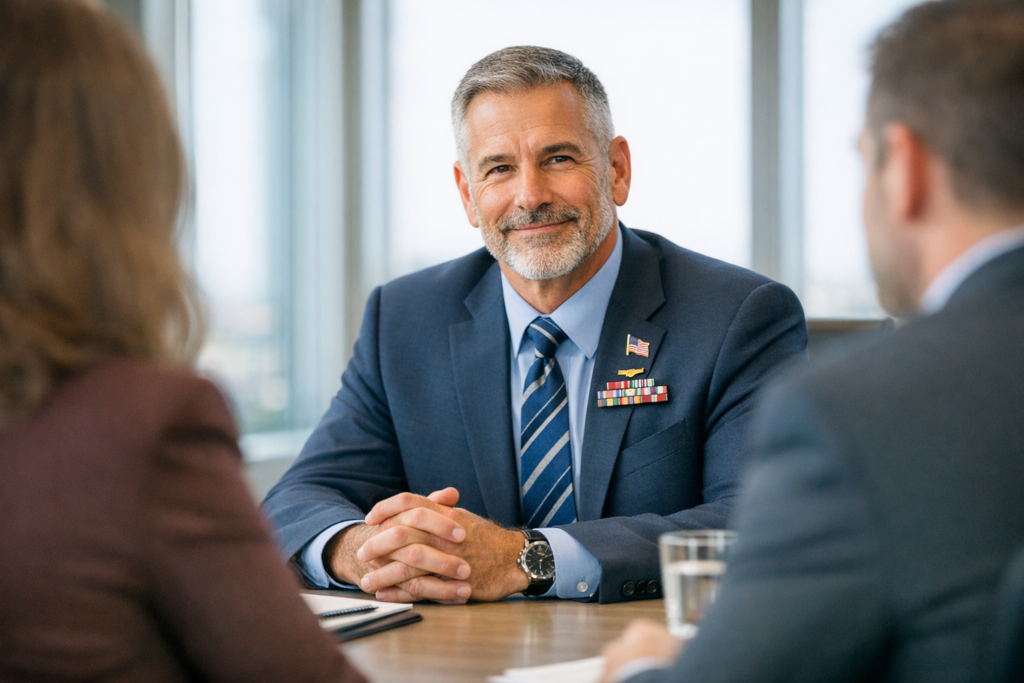
Asking thoughtful questions during an interview isn’t just polite—it’s strategic. The questions you ask reveal your critical thinking skills, demonstrate genuine interest in the role, and give you essential information to decide if this opportunity aligns with your career goals. For veterans transitioning to civilian careers, asking the right questions also helps you understand company culture, leadership style, and whether your military experience will be valued.
Just as you wouldn’t accept a mission without understanding the objective, rules of engagement, and available resources, you shouldn’t accept a job offer without gathering intelligence. Here’s how to approach this crucial part of the interview process.
Questions About the Role and Expectations
Start by clarifying exactly what success looks like in this position. Ask about the day-to-day responsibilities and how performance will be measured. Try questions like:
- What does a typical day or week look like in this role?
- What are the most important priorities for the first 90 days?
- How is success measured in this position?
- What challenges is the team currently facing?
These questions show you’re already thinking about how to contribute and excel. They also help you assess whether the role matches what was described in the job posting and whether it aligns with your skills and interests.
Understanding Team Dynamics and Leadership
Your military experience has taught you that leadership and team cohesion matter tremendously. Understanding who you’ll work with and how decisions are made is critical. Consider asking:
- Can you tell me about the team I’d be working with?
- What’s your leadership style?
- How does this team collaborate across departments?
- How does the organization support professional development?
These questions help you gauge whether the company’s leadership philosophy resonates with your values and whether you’ll have opportunities to grow. If you’ve been preparing for your civilian career transition, understanding the work environment is just as important as the job description itself.
Company Culture and Values
Culture fit matters, especially when you’re moving from the structured military environment to civilian workplaces that can vary dramatically. Ask questions that reveal the organization’s true priorities:
- How would you describe the company culture?
- What do you value most about working here?
- How does the company support work-life balance?
- Does the organization have veteran hiring initiatives or employee resource groups?
Pay attention not just to what they say, but how they say it. Genuine enthusiasm and specific examples are good signs. Vague corporate speak may be a red flag.
Career Growth and Development
You’ve invested years developing your skills in the military. Make sure your next employer will invest in your continued growth:
- What does the typical career path look like for someone in this role?
- What training and development opportunities does the company offer?
- How often are performance reviews conducted?
- Are there mentorship programs available?
These questions demonstrate ambition and long-term thinking—qualities every employer values. They also help you determine if this role is a stepping stone toward your larger career objectives, something you should have considered when crafting your veteran resume.
Practical Considerations
Don’t forget to ask about logistics and next steps:
- What are the next steps in the interview process?
- When are you hoping to make a decision?
- Is there anything about my background or experience you’d like me to clarify?
That final question is particularly powerful—it gives you a chance to address any concerns before you leave the room.
Questions to Avoid
While most questions are fair game, save these for after you receive an offer:
- Detailed questions about salary, benefits, or vacation time (unless the interviewer brings it up first)
- Questions about what the company does (you should already know this)
- Anything that makes you sound entitled or uncommitted
Making the Most of Your Opportunity
Prepare five to seven questions before each interview, knowing you’ll likely only ask three or four. Some may be answered during the conversation, so stay flexible. Take notes during the interview—it shows you’re engaged and helps you remember important details when comparing opportunities.
Remember, interviews are a two-way evaluation. You’re assessing them just as much as they’re assessing you. The questions you ask during an interview demonstrate your professionalism, help you gather critical information, and set the tone for a potential working relationship. Approach this conversation with the same preparation and strategic thinking that served you well in uniform, and you’ll make decisions that support your long-term success in your civilian career.