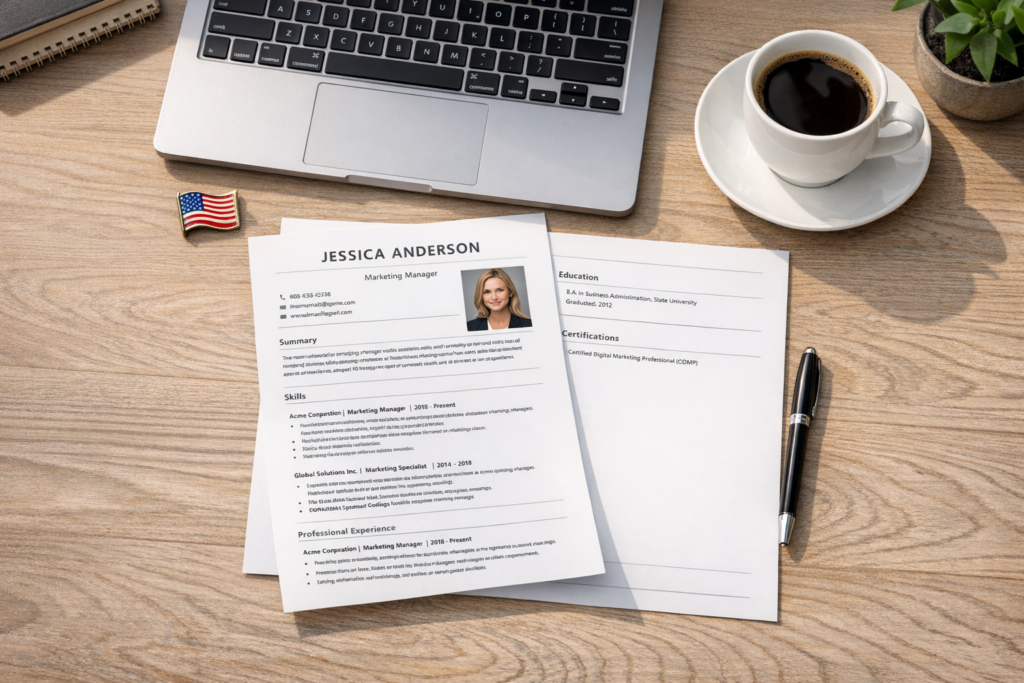
If you’re a veteran pursuing federal employment, you’ve likely heard about the USAJobs two page resume requirement that’s changing how applicants submit their credentials. This shift represents a significant departure from the traditional lengthy federal resume format, and understanding how to adapt is crucial for your job search success.
Understanding the New Two Page Resume Requirement
The Office of Personnel Management (OPM) introduced the two-page resume option to streamline the federal hiring process and make it easier for hiring managers to quickly assess candidate qualifications. While the traditional five-page federal resume is still accepted for some positions, many agencies now prefer or require the condensed two-page format.
This change actually benefits veterans who are already familiar with the concise military evaluation format. The key is learning how to translate your military experience into compelling civilian language within a tighter space constraint.
What Must Be Included in Your USAJobs Two Page Resume
Despite the page limit, your USAJobs resume must still contain specific information to be considered complete. Every federal resume requires your full contact information, citizenship status, veterans’ preference eligibility, and highest level of education with completion dates.
For each position listed, you must include your employer’s name and location, your job title, start and end dates (including month and year), hours worked per week, and a description of your duties and accomplishments. This is non-negotiable information that federal HR specialists need to determine your qualifications.
Strategies for Condensing Your Military Experience
The biggest challenge veterans face is condensing years of military service into two pages while maintaining impact. Start by focusing on the most recent and relevant positions that align with your target federal role. If you served for twenty years, you don’t need to detail every assignment—highlight the last ten to fifteen years with the most transferable experience.
Use strong action verbs and quantifiable achievements rather than lengthy duty descriptions. Instead of listing every task you performed, focus on leadership roles, special projects, awards, and measurable outcomes. For example, “Led 45-person team managing $2.3M budget, reducing equipment downtime by 35%” conveys more value than a paragraph describing daily responsibilities.
When writing your veteran resume, remember that federal hiring managers understand military rank and structure, but they need to see how your skills apply to their specific position requirements.
Formatting Tips to Maximize Space
Smart formatting is essential when working within a two-page constraint. Use a clean, professional font like Arial or Times New Roman in 11 or 12-point size. Set margins to 0.5 inches on all sides to gain additional space without sacrificing readability.
Eliminate unnecessary words and phrases. Replace “responsible for” with “managed” or “oversaw.” Use bullet points rather than paragraphs to make your accomplishments scannable. Federal hiring managers often review hundreds of applications, so making your qualifications easy to identify quickly works in your favor.
Consider using a combination resume format that highlights your skills and competencies at the top, followed by a condensed chronological work history. This approach allows you to emphasize your strongest qualifications upfront.
Tailoring Your Resume for Each Position
The two-page format actually makes it easier to customize your resume for each federal job announcement. As part of your military transition checklist, develop a master resume with all your experience, then create targeted versions that emphasize the qualifications most relevant to each position.
Carefully review the job announcement’s required qualifications and specialized experience sections. Mirror the language used in the posting and ensure your resume demonstrates how you meet each requirement. This targeted approach is more effective than submitting a generic resume to multiple positions.
When to Use the Traditional Format
Some federal positions, particularly senior-level roles or highly technical positions, may still benefit from or require the traditional longer format. If the job announcement specifically requests a longer resume or if you’re applying for a Senior Executive Service position, don’t artificially limit yourself to two pages.
Additionally, if you’re preparing for your civilian career and applying to both federal and private sector positions, maintain two versions: a concise two-page resume for USAJobs and a potentially longer version for other opportunities.
Moving Forward with Confidence
The USAJobs two page resume requirement doesn’t diminish the value of your military service—it simply requires you to communicate your qualifications more strategically. Focus on relevance over comprehensiveness, use strong metrics to demonstrate impact, and tailor each submission to the specific position. With practice, you’ll find that this condensed format actually strengthens your application by forcing you to highlight your most impressive and relevant accomplishments. Your military experience has prepared you well for federal service; now it’s time to showcase that experience effectively within the new format.