If you’re a disabled veteran exploring your next career move, you have more options than ever before. The combination of veterans preference, workplace accommodations, and the growth of remote work has created real opportunities across multiple sectors. Whether you’re managing a service-connected disability or looking for work that accommodates your physical or mental health needs, understanding your options helps you make informed decisions about your future.
Why Federal Jobs Deserve Your Attention
Federal employment offers some of the strongest protections and advantages for disabled veterans. Veterans preference gives you a significant edge in the hiring process, and agencies are required to provide reasonable accommodations under the Rehabilitation Act.
The federal government operates several special hiring authorities specifically for disabled veterans. Schedule A hiring authority allows agencies to appoint eligible individuals with disabilities non-competitively, bypassing the traditional application process. If you have a VA disability rating of 30% or higher, you may qualify for Veterans Recruitment Appointment (VRA) authority, which also provides a streamlined path to federal employment.
Navigating the federal application process requires understanding how to properly document your veteran status and disability eligibility. Many agencies actively seek to hire disabled veterans to meet their diversity and inclusion goals, making this an excellent time to explore federal opportunities.
Top Federal Roles for Disabled Veterans
- Administrative and program specialists: Desk-based roles with predictable schedules and clear advancement paths
- IT specialists and cybersecurity professionals: High-demand positions often available with telework options
- Human resources and veterans services: Roles where your military experience is directly valued
- Contracting and procurement: Technical positions with strong job security
Remote Work: Flexibility That Fits Your Life
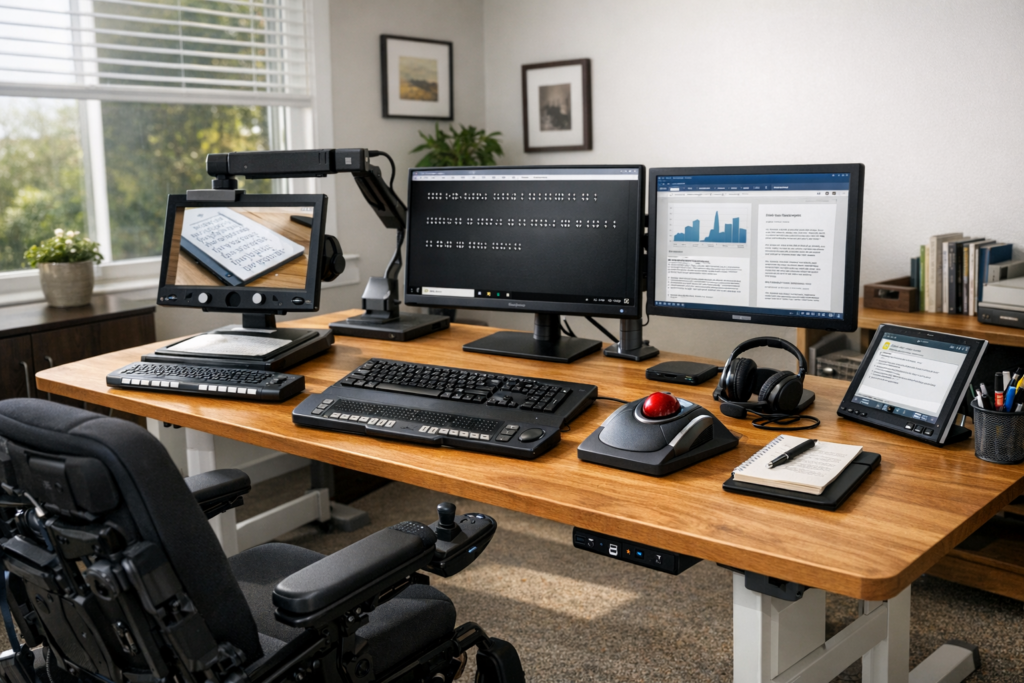
Remote work has transformed career options for disabled veterans. Working from home eliminates commuting challenges, allows you to design an accessible workspace, and provides flexibility to manage medical appointments and treatment schedules.
Many industries now offer fully remote positions that align well with military skills. Customer service and technical support roles provide steady employment with training provided. Project management positions leverage your organizational and leadership experience. Technical writing, data analysis, and software development offer career growth without geographic limitations.
When evaluating remote opportunities, consider companies with established remote work cultures rather than those still transitioning. Look for employers who explicitly state their commitment to accessibility and veteran hiring. Many forward-thinking companies recognize the value veterans bring and have built inclusive remote work programs.
Flexible Career Paths Beyond Traditional Employment
Traditional nine-to-five roles aren’t the only option. Flexible career paths can accommodate varying energy levels, medical treatments, or other disability-related needs.
Consulting and freelancing allow you to control your workload and schedule. Veterans with specialized skills in logistics, operations, training, or technical fields can build consulting practices serving government contractors or private companies. Platforms like Upwork and Toptal connect freelancers with clients seeking project-based work.
Part-time positions and job-sharing arrangements provide income while preserving time for healthcare, family, or education. Many federal agencies and progressive employers offer these options, particularly for positions that don’t require full-time coverage.
Leveraging Your Security Clearance
If you maintain an active security clearance, you have access to a specialized job market with less competition and higher compensation. Security clearance jobs often offer remote or flexible arrangements, particularly in intelligence analysis, cybersecurity, and defense contracting. Your clearance represents significant value to employers and can open doors to roles with built-in accommodations.
Understanding Your Rights and Resources
The Americans with Disabilities Act (ADA) requires employers with 15 or more employees to provide reasonable accommodations. This might include modified work schedules, assistive technology, ergonomic equipment, or adjusted duties. You’re not required to disclose your disability during the application process, but doing so may help you access accommodations and special hiring authorities.
The Vocational Rehabilitation and Employment (VR&E) program through the VA provides career counseling, training, and job placement assistance for veterans with service-connected disabilities. This program can fund education, provide employment accommodations, and support self-employment ventures.
Taking Your Next Step
Your disability doesn’t define your career potential. Start by identifying your strengths, interests, and accommodation needs. Research employers known for hiring disabled veterans. Prepare application materials that highlight your skills and experience. Whether you pursue federal employment, remote work, or flexible arrangements, opportunities exist that match your abilities and support your success. Take the first step today—your next career is waiting.